
Custom Open Frame Monitor Solutions

Custom Open Frame Monitor Solutions

UNI DISPLAY provides custom open frame monitor solutions for equipment manufacturers, engineering teams, and OEM/ODM projects that need the display system integrated directly into a machine, housing, cabinet, or control panel. Unlike a conventional monitor with a complete external housing, an open frame monitor is developed as an integrated display assembly built to fit inside your own equipment.

From equipment drawings and initial display selection to mechanical development, prototyping, system validation and production, the solution is developed around your actual equipment requirements.

  • TFT + Touch + Frame
  • Optical bonding
  • Custom controller boards
  • OEM / ODM support
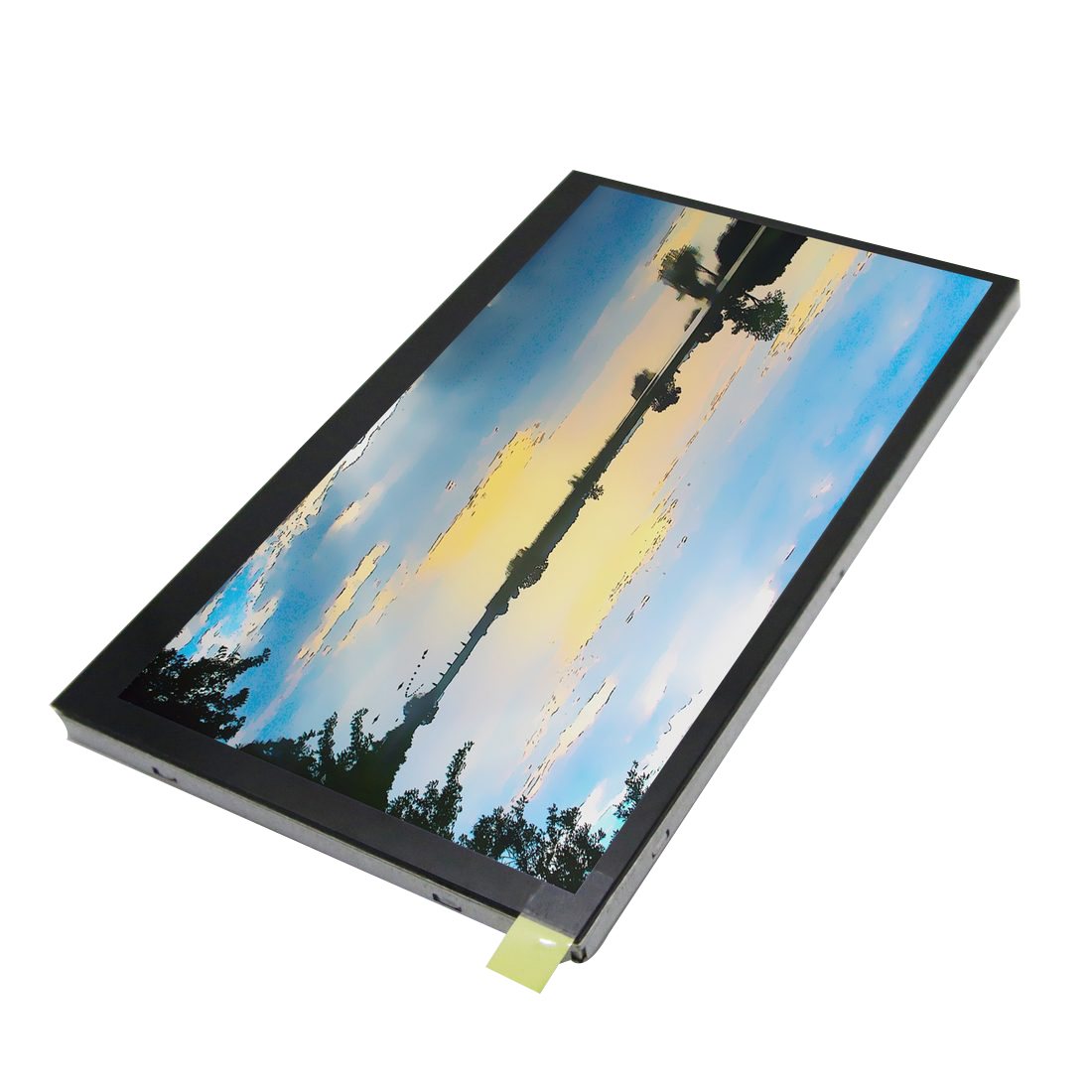
Open frame TFT LCD monitor with rear-mounted controller board — a custom open frame display assembly by UNI DISPLAY
Open Frame MonitorTFT · Touch · Frame
18y+
Display industry experience
6
Integrated open frame layers
ISO / IATF
9001 · 14001 · 16949
OEM / ODM
Low-volume, high-mix
Open frame TFT LCD display module prepared for equipment integration by UNI DISPLAY

Open Frame Monitor Overview

What Is an Open Frame Monitor?

An open frame monitor is a display system designed for direct integration into another product or piece of equipment, rather than for use as a standalone desktop monitor. The assembly combines the display and related electronics with a supporting mechanical frame, allowing your own housing to form part of the final product design.

Built Around Your Equipment

This architecture gives equipment manufacturers greater flexibility in installation, product appearance and overall system integration — especially when the equipment already has its own outer housing, a defined front panel, limited internal space, specific mounting points, an existing host controller, defined cable routing, a specific panel cutout, non-standard mechanical dimensions or a custom product appearance.

Depending on the project, an open frame display system can integrate:

  • TFT LCD display
  • Touch panel
  • Cover lens
  • Air or optical bonding
  • Display controller board
  • Driver or scaler board
  • Communication interfaces
  • Cables and connectors
  • Metal or custom support structure
  • Mounting points
  • Firmware or system adaptation

TFT Display

The TFT display is selected based on the visual, mechanical and system requirements of the project — display size, resolution, viewing angle, brightness, orientation and available installation space.

Touch Panel

When touch operation is required, the touch panel is incorporated into the open frame system and coordinated with the TFT display, cover lens, front-panel structure, touch controller, cable routing and host system.

Cover Lens

The cover lens is developed from the front-panel design and appearance of the final equipment — dimensions, shape, active area, touch area, surface requirements and product appearance.

Air & Optical Bonding

UNI DISPLAY supports air bonding based on the assembly design and optical bonding when a more integrated display stack is required, evaluated together with the TFT display, touch panel, cover lens and mechanical design.

Controller Board

The controller board is arranged to fit within the available rear installation space, with scaler boards, driver boards or other configurations incorporated based on confirmed system requirements.

Mechanical Frame

The supporting structure is developed around your equipment — custom mechanical design, non-standard dimensions, mounting structures, metal frame integration and 2D/3D mechanical modeling.

Designed Around Your Equipment

Complete Open Frame Display Integration

An open frame monitor is more than a panel. UNI DISPLAY integrates the TFT display, touch panel, cover lens, bonding, controller board, cables, connectors and mechanical frame into one coordinated open frame display solution developed around your actual equipment.

TFT Display Integration

The TFT display is selected from the visual, mechanical and system requirements of the project — size, resolution, viewing requirements, brightness, orientation and available installation space. The module is evaluated together with the controller electronics and mechanical frame so the complete assembly fits the equipment.

Touch Panel Integration

When touch operation is required, the touch system is coordinated with the TFT display, cover lens, front-panel structure, touch controller, cable routing, host system and mechanical installation — so touch is considered at the initial design stage rather than added afterwards.

Custom Cover Lens

The cover lens, touch layer and TFT display are developed as one coordinated front display assembly. Customization considers glass dimensions, shape, active area, touch area, front-panel integration, surface requirements and product appearance.

Open frame TFT LCD module with controller board and capacitive touch FPC — integrated open frame display by UNI DISPLAY

Controller Board Position & Rear Integration

In an open frame monitor, the controller board must fit within the available rear installation space. Its location and orientation affect overall installation depth, rear clearance, cable routing, connector accessibility, assembly sequence and maintenance access.

UNI DISPLAY evaluates the controller board arrangement together with the open frame structure to help prevent interference with your housing or surrounding components. Where required, scaler boards, driver boards or other display controller configurations are incorporated based on confirmed system requirements.

  • Overall installation depth
  • Rear clearance
  • Cable routing
  • Connector accessibility
  • Assembly sequence
  • Maintenance access

Open Frame Monitor vs Standard Monitor

The right choice depends on whether the display is a finished product or part of another machine.

Display TypePrimary Function
Standard MonitorComplete external housing, designed to operate as an independent product
Open Frame MonitorDeveloped for integration into the customer’s housing, cabinet or product — the structure is built around the available installation space
Embedded DisplayIntegrates the display subsystem into the customer’s product architecture
Industrial MonitorMonitor configuration designed for industrial equipment environments

Explore our TFT LCD display modules, smart touch panels and custom display driver boards for related building blocks.

Where Open Frame Monitors Are Used

Open Frame Monitor Solutions by Application

Open frame display assemblies can be developed for equipment where visual information, touch interaction and mechanical integration need to work together. The configuration is adapted to each industry’s operating environment.

Industrial automation HMI with open frame TFT monitor and touch interface

Industrial Automation & Control

  • Machine control panels
  • HMI workstations
  • Automation equipment
  • Measurement instruments
Medical equipment with open frame display integrated into the device

Medical Equipment

  • Visual information
  • Equipment interaction
  • Regulatory review
  • Use-case evaluation
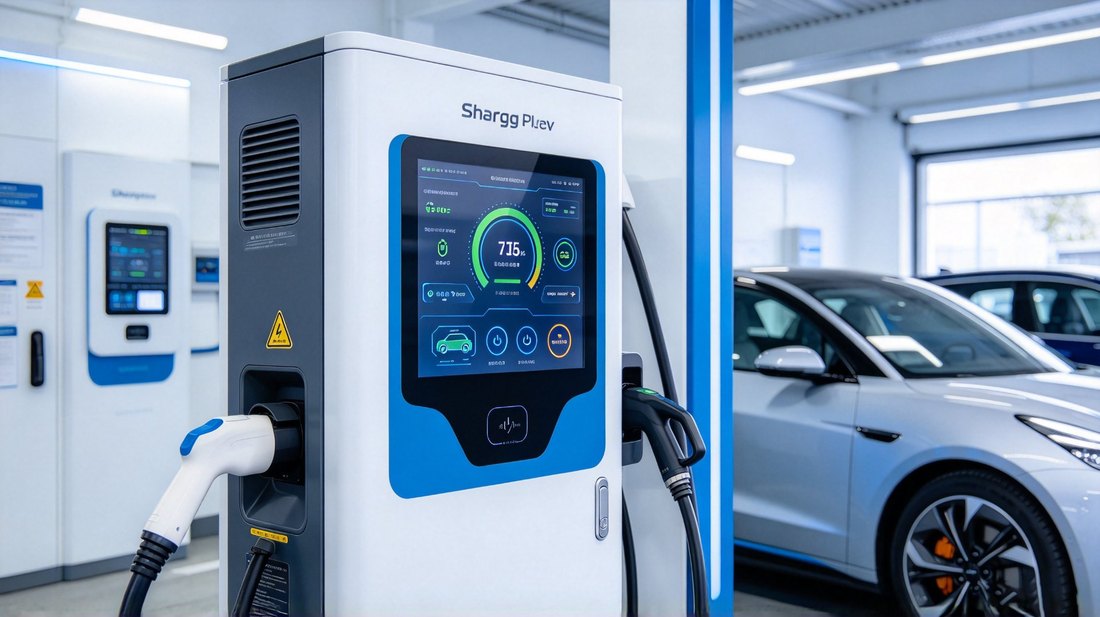
EV charging equipment with open frame monitor inside a custom housing

EV Charging Equipment

  • Equipment information
  • User interaction
  • Charging architecture
  • Controller electronics
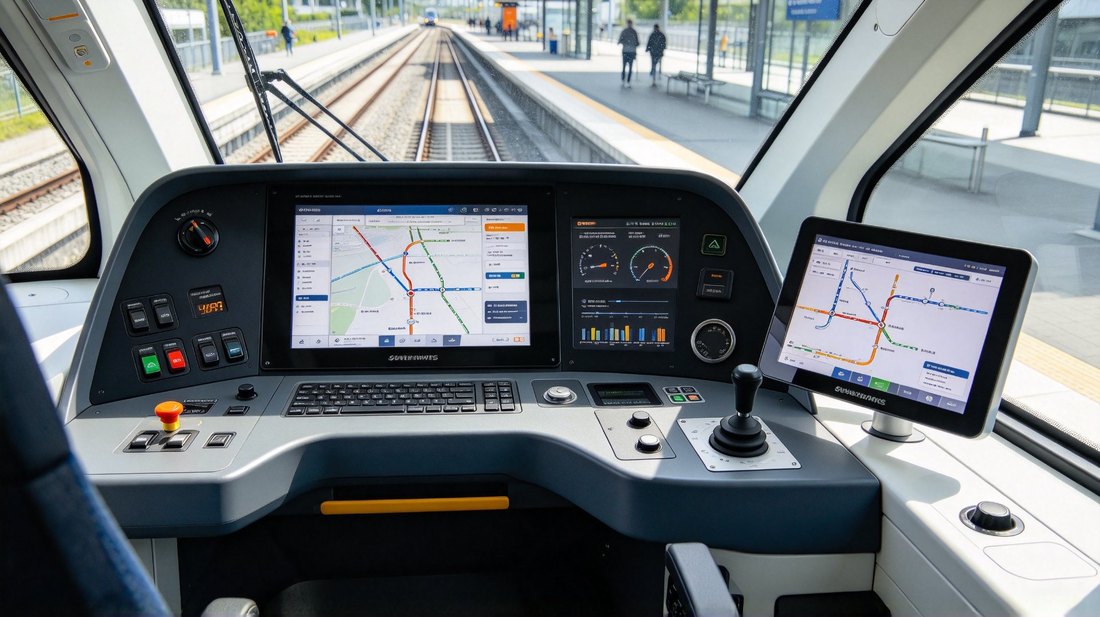
Transportation and mobility equipment with open frame display

Transportation & Mobility

  • Visual information
  • Touch interaction
  • Control communication
  • Mobility systems
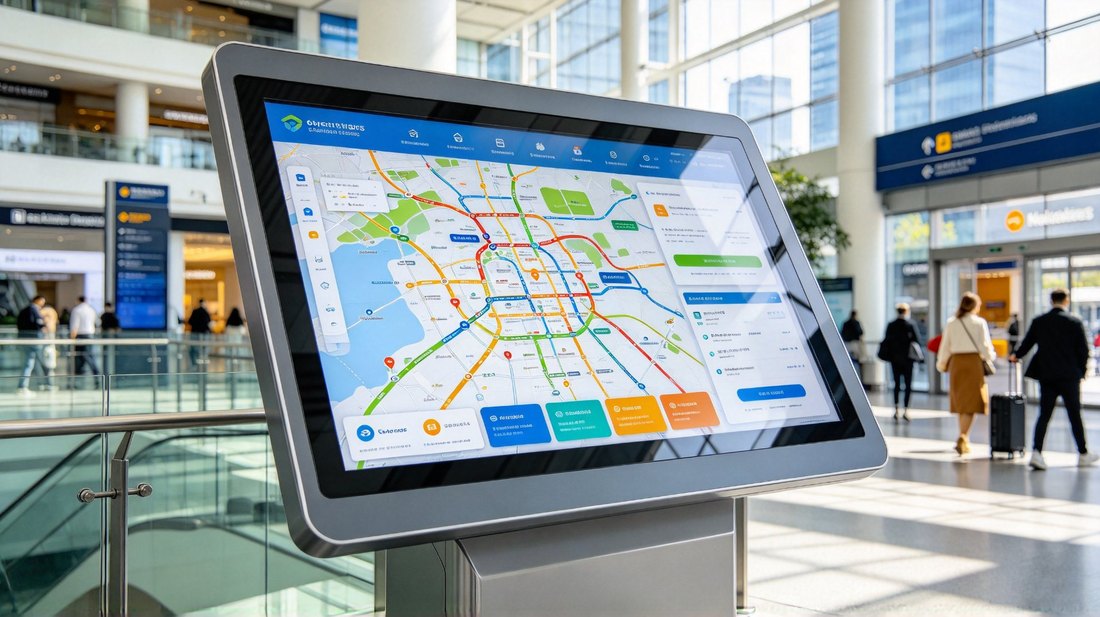
Commercial and self-service terminal with open frame touch display

Commercial & Self-Service

  • Retail terminals
  • Self-service kiosks
  • Interactive devices
  • User input capture
Energy storage system
photo to be provided by client

Energy Storage Systems

  • Equipment information
  • Operating status
  • User control interface
  • Control-architecture fit
Telecom & network equipment
photo to be provided by client

Telecom & Network Equipment

  • Visual information
  • System control
  • Communication interfaces
  • Rack or panel fit
Smart building control
photo to be provided by client

Smart Building Control

  • Information presentation
  • Equipment control
  • Interactive interface
  • Building systems

Open frame monitors are matched to the operating environment, with display, interface and control options selected per application. Send your requirements to our engineering team for evaluation.

Engineering & Mechanical Development

Open Frame Engineering & Technology

A reliable open frame monitor requires hardware and mechanical coordination. UNI DISPLAY engineering covers custom mechanical design, controller-board development, communication adaptation and optical bonding — evaluated as one system rather than separate parts.

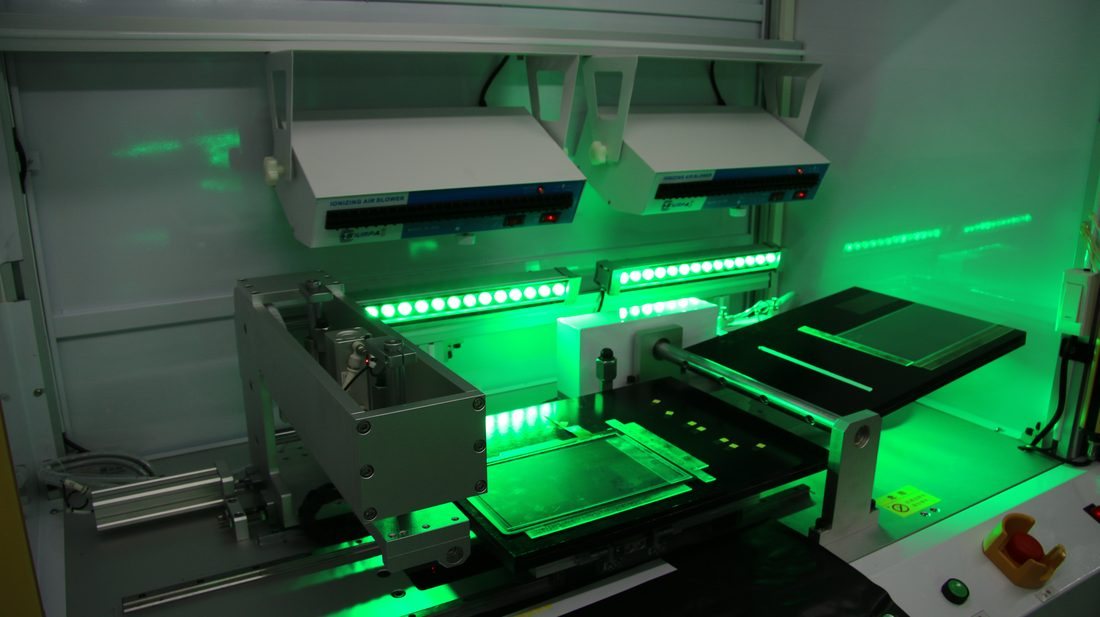
Cleanroom production line for open frame display and module assembly at UNI DISPLAY

Mechanical Design & 2D/3D

Custom mechanical design, non-standard dimensions, mounting structures, metal frame integration, 2D mechanical design and 3D mechanical modeling developed around your equipment.

Controller Board Development

Controller board and hardware development including schematic design, PCB layout, Gerber file generation, PCBA development and production, and communication-interface adaptation.

Communication Adaptation

Display interfaces LVDS, eDP and MIPI, plus host communication UART, RS-485, CAN, USB and Ethernet, with protocol adaptation to your system.

Optical & Frame Bonding

Air and optical bonding combine the TFT display, touch panel and cover lens into one coordinated front display assembly.

From Requirement to Production

From Housing Drawing to Open Frame Monitor

UNI DISPLAY supports open frame monitor projects from the customer’s equipment housing through mechanical sample evaluation to production under a controlled development process.

01

Housing & Panel Cutout Review

The project begins with the customer’s equipment housing, panel cutout and available installation space. Existing 2D drawings, 3D models, photos or basic dimensions are reviewed.

02

Display Positioning

The TFT display is positioned based on the required active area, panel cutout and operator viewing requirements.

03

Front Structure Development

When required, the touch panel, cover lens and bonding are developed based on the front-panel design.

04

Frame & Mounting Design

The supporting frame, mounting holes, fixing points and overall dimensions are developed around the customer’s equipment.

05

Rear Layout Planning

The controller board, connectors and cables are arranged based on the available installation depth and internal housing space.

06

Mechanical Sample Evaluation

Samples are installed into the customer’s equipment or representative housing to evaluate panel cutout alignment, mechanical fit, mounting, installation depth, cable clearance, connector access and front-panel alignment.

07

Functional Integration

After mechanical fit is confirmed, display function, touch operation and system connection are evaluated within the equipment.

08

Production

After the structural configuration and sample are approved, production proceeds according to the confirmed mechanical and electrical specifications.

Why UNI DISPLAY

Why Choose UNI DISPLAY for Custom Open Frame Monitor Projects?

With over 18 years in the display industry, UNI DISPLAY integrates TFT displays, touch panels, controller electronics and mechanical development — one team evaluating the open frame monitor as a complete system, from your equipment drawing to mass production.

Designed Around Your Housing

UNI DISPLAY develops the open frame monitor based on your actual panel cutout, installation depth and housing design.

Custom Mounting & Frame

Non-standard frames, mounting points and supporting structures are developed based on the final equipment.

Front Display Integration

The TFT display, touch panel, cover lens and bonding are coordinated based on the equipment’s front-panel design.

Rear-Side Layout Planning

Controller electronics, connectors and cables are arranged based on the available internal space and assembly requirements.

2D & 3D Mechanical Development

UNI DISPLAY supports 2D mechanical design and 3D mechanical modeling for projects requiring customized mechanical integration.

Sample-Based Fit Verification

Samples evaluate mounting, dimensions, installation depth, cable routing and equipment fit before the final production configuration is confirmed.

Start Your Project

Start Your Custom Open Frame Monitor Project

Developing the right open frame monitor requires more than selecting a screen size — the display, touch system, controller electronics, cables and mechanical components must work together within your final equipment. Share your available information and our engineering team will evaluate it.

For a Faster Evaluation, Please Provide

The more context you share, the faster our engineering team can define the appropriate architecture. If complete drawings are not yet available, existing product photos, sketches, current display specifications or basic equipment dimensions can also support an initial review.

  • Equipment type & application
  • Available installation space
  • Panel cutout dimensions
  • Required screen size & resolution
  • Brightness & viewing requirements
  • Touch requirements
  • Host controller / interface
  • Cables & connector requirements
  • Existing 2D drawings or 3D models

Send Your Open Frame Monitor Requirements

Whether your project starts with an existing housing, a new equipment concept, or a defined panel cutout, send us your available drawings, equipment information or project requirements for engineering evaluation.

FAQ

Open Frame Monitor FAQs

A standard monitor normally includes a complete external housing and is designed to operate as an independent product. An open frame monitor is designed for integration into another machine, cabinet or product housing, so its structure can be developed around the available installation space and equipment design.

Depending on the project, an open frame solution can integrate the TFT display, touch panel, cover lens, bonding, controller board, cables, connectors and supporting mechanical structure.

Yes. The project is evaluated based on the available installation space, panel cutout dimensions, mounting design, controller system, cables and existing equipment drawings.

Yes. UNI DISPLAY supports custom mechanical structures, non-standard product shapes, 2D mechanical design and 3D mechanical modeling according to project requirements.

Yes. Touch display integration is part of UNI DISPLAY’s display solution capabilities. The touch panel, cover lens, bonding, controller and mechanical design can be coordinated based on project requirements.

Yes. Cover lens can be developed based on the front-panel dimensions, appearance and mechanical requirements of the equipment.

Yes. Optical bonding can be incorporated based on the display structure and project requirements, so the TFT display, touch panel and cover lens work as one coordinated front display assembly.

Yes. UNI DISPLAY supports controller board and hardware development, including schematic design, PCB layout, Gerber file generation, PCBA development and production, and communication interface adaptation.

The customer’s host system and interface requirements are reviewed during engineering evaluation. Controller electronics, interfaces, cables and software can then be developed or adapted based on the confirmed project requirements.

Cable and connector requirements can be incorporated into the project based on the internal equipment layout and host system connection requirements.

Yes. UNI DISPLAY supports flexible customization as well as low-volume, high-mix project requirements.

Please provide as much information as available, such as screen size, installation space, panel cutout dimensions, touch requirements, interfaces, controller information, mechanical drawings, operating environment and estimated quantity. Photos, sketches and existing display models also help with initial project evaluation.

Get a Custom Open Frame Monitor

Talk to UNI DISPLAY Engineering

An open frame monitor should not be selected by screen size alone. The display, touch system, controller electronics, cables and mechanical components must work together within your final equipment. Share your available drawings, equipment information or project requirements for engineering evaluation.

Typical response within 1–2 business days