Custom Embedded Display Solutions

Custom Embedded Display Solutions

UNI DISPLAY develops custom embedded display solutions for equipment manufacturers, product developers, engineering teams and OEM/ODM projects that need the display system integrated directly into the final product. The TFT display, touch panel, cover lens, bonding, controller electronics, cables and mechanical components are developed as one coordinated system around your host platform — not supplied as separate parts.

An embedded display is more than an LCD module selected from a catalogue. It has to work with the customer’s mainboard, touch interface, controller electronics, cable routing, mechanical design and product architecture, so the display becomes an integrated part of the product instead of a standalone component needing extra work later.

  • TFT module selection
  • Touch + cover lens
  • Optical bonding
  • Controller board & PCBA
Embedded display module with TFT LCD panel and controller board developed around the customer's host platform
Embedded DisplayTFT · Touch · Control
18y+
Display industry experience
4
Integration levels, module to full assembly
ISO / IATF
9001 · 14001 · 16949
OEM / ODM
Low-volume, high-mix projects
TFT LCD module with rear FPC prepared for integration into an embedded display assembly

Embedded Display Overview

What Is an Embedded Display?

An embedded display is a display system designed to be integrated directly into another product or piece of equipment. Unlike a standard monitor, it works together with the host electronics, mechanical design and user interface of the equipment it is built into.

Embedded Displays Start with the Product Architecture

Selecting a display by screen size alone is rarely sufficient. The display usually has to integrate into a larger system that already has defined electrical, mechanical and software requirements. A customer may already have:

  • A host controller or mainboard
  • Defined installation space
  • A product housing
  • Existing mechanical drawings
  • Display signal requirements
  • Touch communication requirements
  • Cable and connector restrictions
  • Existing operating logic
  • A previous display to replace

TFT LCD Display Module

The display module is selected and configured around the visual requirements, the electrical conditions of the host system and the mechanical space available in the product.

  • Display size and resolution
  • Brightness and viewing requirements
  • Display orientation
  • Mechanical dimensions
  • Interface requirements

Touch Panel & Touch Controller

Touch is developed together with the display from the start of the project, so user interaction, communication and the front-panel structure stay consistent.

  • Projected capacitive touch
  • Resistive touch
  • Touch controller configuration
  • Touch interface adaptation

Custom Cover Lens

The front surface is often part of the product appearance and user interface, so the cover lens is developed to the product’s own dimensions and appearance.

  • Dimensions, shape and front structure
  • Active area and touch area
  • Installation method
  • Surface and protective treatment

Air or Optical Bonding

The TFT display, touch panel and cover lens can be delivered as one integrated front assembly using air bonding or optical bonding.

  • Air bonding (frame bonding)
  • Optical bonding with OCA
  • Optical bonding with OCR
  • Coordinated front display assembly

Controller Board & Electronics

Where the project needs electronics between the display and the host platform, driver boards, scaler boards and controller boards are integrated or developed.

  • Scaler board and driver board
  • Display controller board
  • Communication interface adaptation
  • PCB / PCBA development

Cables, Firmware & Mechanical Structure

The remaining layers are defined with the same project so the delivered assembly can actually be mounted inside the product.

  • Custom cables and connectors
  • Firmware and software adaptation
  • Operating-logic adaptation
  • Supporting mechanical structure

Integration Scope

Embedded Display Integration Levels

The appropriate solution depends on how much of the integration the customer intends to complete internally. UNI DISPLAY evaluates the project stage and defines a sensible integration scope from the available specifications and system information.

Embedded TFT Display Module

For projects where most of the electronics and mechanical design are already defined, the TFT display is selected and customized to the required display performance and system conditions.

  • Display size and resolution
  • Viewing and brightness requirements
  • Display orientation
  • Mechanical dimensions
  • Interface and existing host platform

Embedded Touch Display

When direct user interaction is required, the TFT module is integrated with the touch panel, cover lens and related front-panel structure into an embedded touch display.

  • TFT display and touch panel
  • Custom cover lens
  • Bonding
  • Touch controller
  • Cables and interface adaptation

Embedded Display With Controller Board

Some projects need additional electronics between the display and the customer’s host platform, so display control electronics are integrated or developed to the project architecture.

  • Scaler board and driver board
  • Display controller board
  • Communication interface adaptation
  • PCB / PCBA
  • Cables and connectors

Integrated Embedded Display Assembly

For customers looking to reduce internal integration work, display, touch, cover lens, bonding, controller electronics, cables and mechanical components are developed as one integrated assembly delivered ready to mount.

  • Single integrated display assembly
  • Coordinated front panel
  • Pre-integrated cables and connectors
  • Direct integration into the product
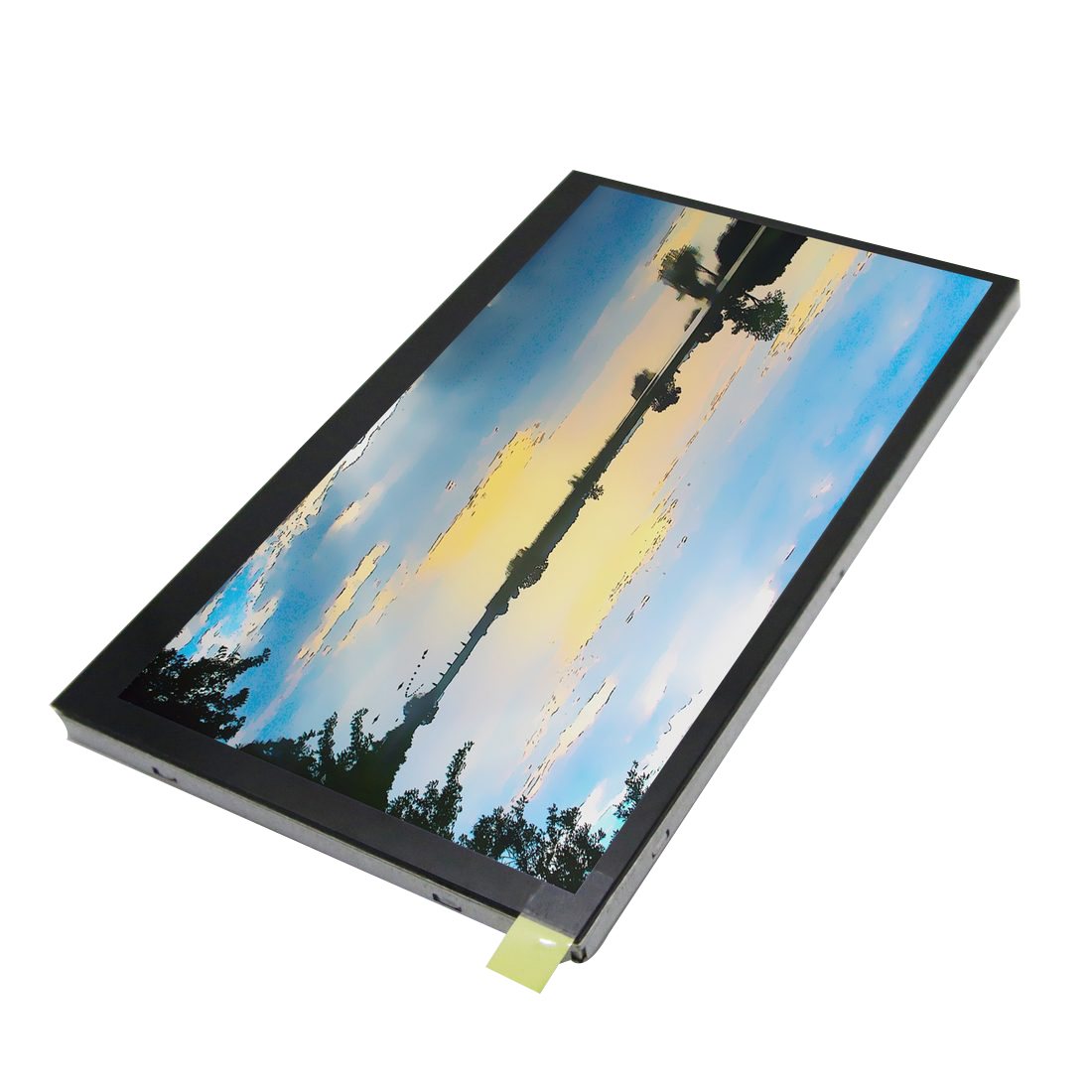
TFT display module with controller board prepared as an embedded display subsystem

Embedded Display Customization Options

Custom embedded display development is not limited to the panel itself. The configuration below is defined from the customer’s product architecture and project requirements, so the delivered assembly matches the mechanical space, electronics and user interface of the final equipment.

Every area below can be developed by UNI DISPLAY or combined with components already confirmed by the customer, depending on the project stage.

Customization AreaDevelopment Direction
TFT DisplayDisplay selection and configuration according to project requirements
ResolutionSelected according to visual and system requirements
TouchTouch integration according to the required operating method
Cover LensCustom dimensions, shape and front structure
BondingAir bonding or optical bonding
Controller BoardScaler board, driver board or controller-board integration
InterfaceAdaptation according to the customer’s host platform
PCB / PCBASchematic, PCB layout, Gerber and PCBA development
CablesCable length, routing and connection configuration
ConnectorsConnector integration according to system requirements
FirmwareCommunication and operating-logic adaptation where required
Mechanical StructureCustom structural integration according to product design
Surface TreatmentApplication-oriented surface and protective treatments
System IntegrationDisplay, touch, electronics, software and mechanical coordination

The final configuration is defined based on the customer’s product architecture and project requirements.

Display Module or Complete Assembly

Choosing the Right Integration Scope

Project RequirementRecommended Direction
Customer already has controller and mechanical designEmbedded TFT LCD display module
Display requires touch interactionEmbedded touch display
Host system requires display control electronicsDisplay + controller board solution
Customer needs touch, electronics and cables integratedIntegrated embedded display assembly
Product requires customized mechanical integrationEmbedded display + custom structure
Existing display system needs replacementCustom replacement display solution

An embedded display is a broader concept than an open frame monitor, and it can be developed from a bare module up to a fully integrated assembly. Related building blocks are available in our TFT LCD display modules, custom display driver boards, touch panel and monitor solutions and custom smart display solutions.

Where Embedded Displays Are Used

Embedded Display Solutions by Application

Embedded display systems can be developed for equipment that requires an integrated visual interface and system control, with display, touch, electronics and mechanical integration coordinated around the final product design.

Industrial automation equipment with embedded display and human-machine interface

Industrial Automation & HMI

  • Industrial controllers
  • Automation equipment
  • Machine interfaces
  • HMI systems
Medical equipment with an embedded display assembly for information presentation and user interaction

Medical Equipment

  • Visual information presentation
  • User interaction
  • Use-case evaluation
  • Standards and regulatory review
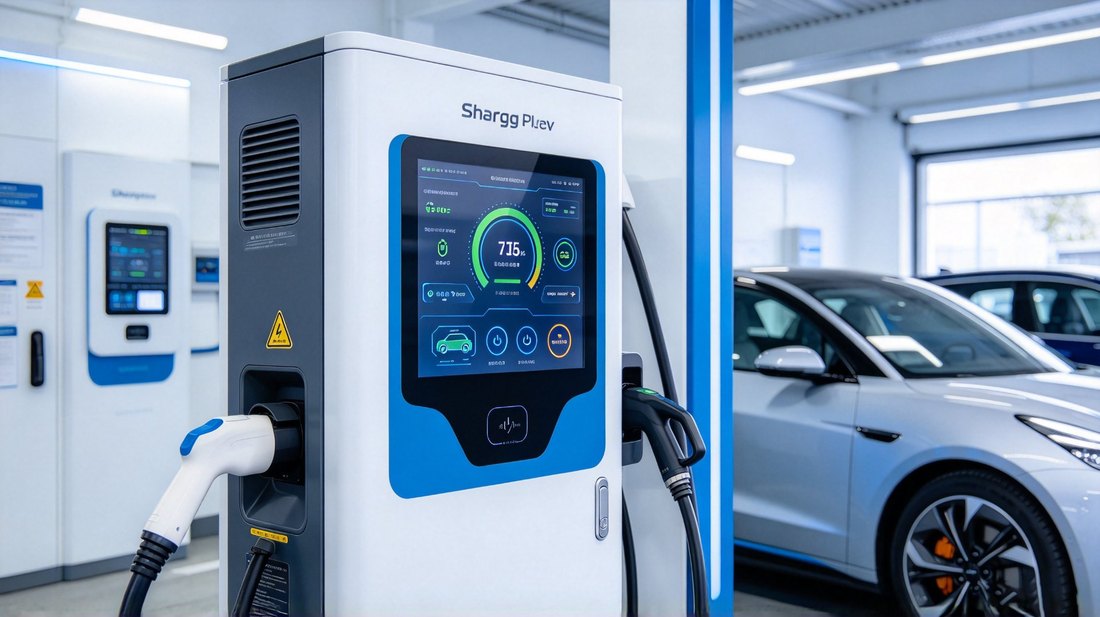
EV charging equipment with embedded touch display for information and user interaction

EV Charging Equipment

  • Equipment information
  • User interaction
  • Charging architecture
  • Controller electronics
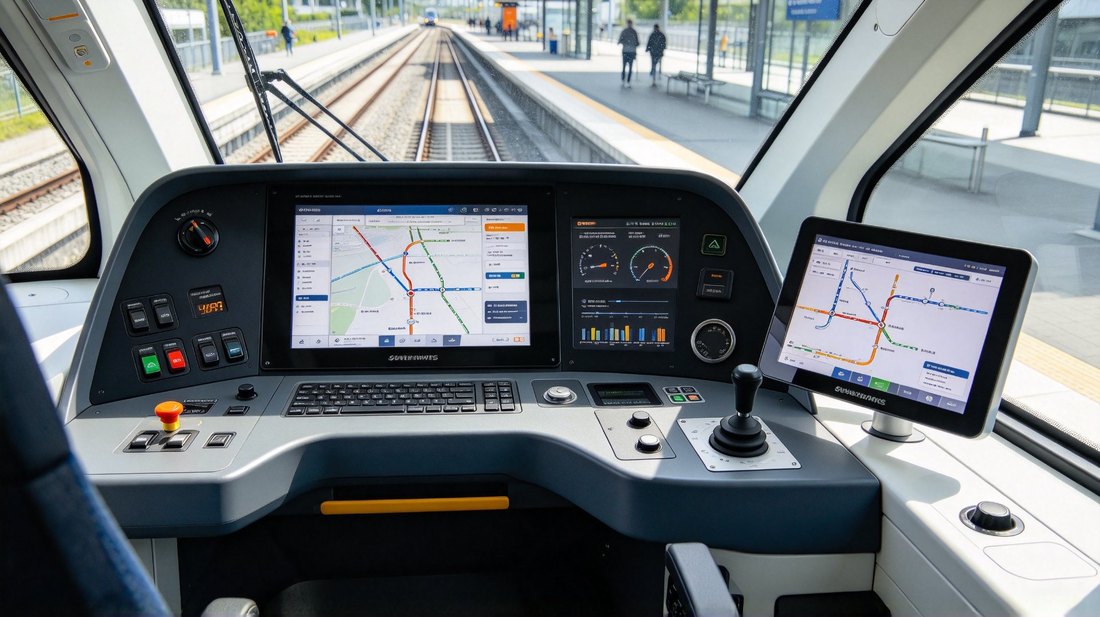
Transportation equipment with integrated display interface and system control

Transportation Equipment

  • Integrated visual interface
  • Touch operation
  • Control communication
  • Installation design
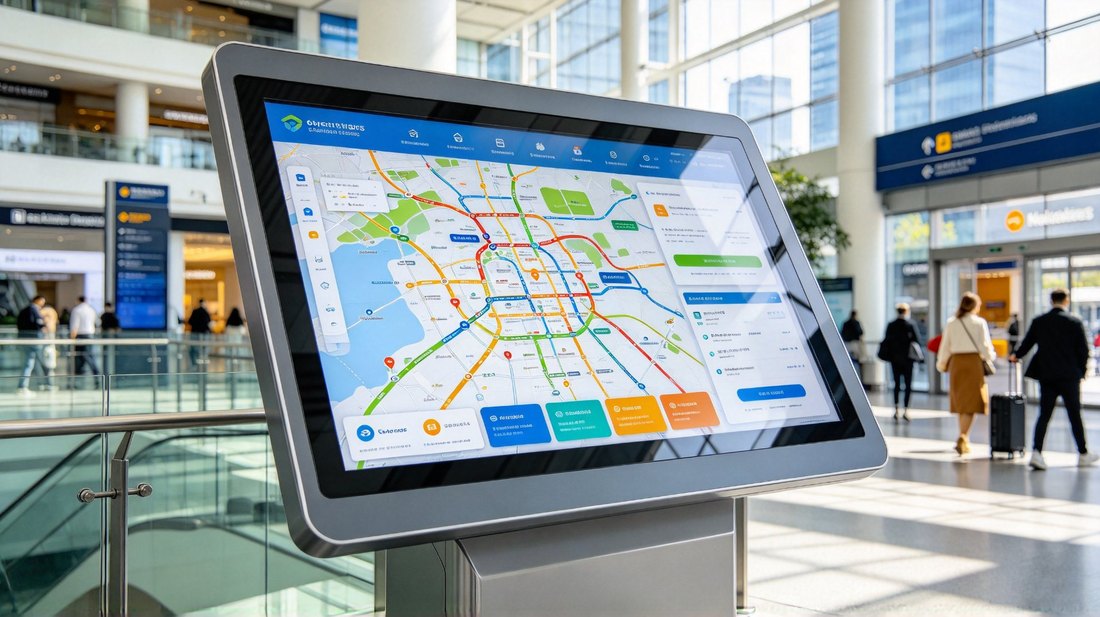
Commercial and self-service terminal with embedded display, touch and controller integration

Commercial & Interactive Terminals

  • Retail terminals
  • Self-service equipment
  • Interactive systems
  • User input capture
Energy storage system
photo to be provided by client

Energy Storage Equipment

  • Equipment status display
  • Control interface
  • Housing integration
  • Operating requirements
Telecommunication equipment
photo to be provided by client

Telecommunication & Network Equipment

  • System status display
  • Device interaction
  • Compact integration
  • Host-system communication
Smart home appliance
photo to be provided by client

Smart Home Appliances

  • Information presentation
  • Operation and interaction
  • Appliance product design
  • Integrated product interface
Smart building control
photo to be provided by client

Smart Building Control Systems

  • Building equipment control
  • Interactive terminals
  • Visual information
  • Touch operation

The display, interface and control options are selected per application. Send your requirements to our engineering team for evaluation.

Front-End Engineering

Cover Lens and Optical Integration

The front surface of an embedded display is often part of the final product appearance and user interface. Custom cover lens development is based on the product dimensions, active area, touch area, front-panel structure, appearance, installation method and surface requirements — and air or optical bonding can be incorporated so the TFT display, touch panel and cover lens work as one integrated front assembly.

Cover lens glass lamination used for the front panel of an embedded display assembly

Custom Cover Lens

Dimensions, shape, front structure, surface treatment and appearance developed to the product design rather than taken from a standard catalogue.

Air & Optical Bonding

Air bonding or optical bonding with OCA or OCR can be incorporated according to the display structure and project requirements.

Controller Electronics

Controller-board integration, driver and scaler boards, interface electronics, plus PCB layout, Gerber files and PCBA development and production.

Firmware & Software Adaptation

Communication protocol adaptation, program development, firmware configuration, operating-logic adaptation, interface debugging and system debugging.

From Host System to Embedded Display Subsystem

How an Embedded Display Project Is Developed

UNI DISPLAY supports embedded display projects from the first host-system review through validation and volume production, with each step defined by real product and system requirements.

01

Host-System Review

The customer’s mainboard, controller, display interface, touch interface and overall electronic architecture are reviewed first.

02

Display Selection

The TFT display is selected based on visual requirements, electrical compatibility and the available product space.

03

Touch Configuration

When touch is required, the touch panel and touch-controller configuration are defined from the host system and user-interface needs.

04

Controller Electronics Development

Driver boards, scaler boards, controller boards or interface electronics are selected or developed for the display-to-platform interface.

05

PCB / PCBA and Connection Development

Schematic design, PCB layout, Gerber generation, PCBA development and production, cables and connectors are incorporated where required.

06

Firmware & Communication Adaptation

Communication protocols, firmware and operating logic are adapted when deeper system integration is required.

07

Embedded System Sample Evaluation

Samples are evaluated for display function, touch operation, interface compatibility, controller operation, communication and host-system integration.

08

System Validation and Production

Once the subsystem runs correctly on the customer’s platform, the required validation is completed before volume production.

Validation Scope

System Compatibility and Integration Validation

Embedded display validation confirms that the display subsystem operates correctly inside the customer’s complete electronic system. The scope should reflect the actual integration between the display subsystem and the host platform.

  • Display initialization
  • Image output
  • Touch communication
  • Controller-board operation
  • Interface compatibility
  • Cable and connector connection
  • Communication stability
  • Firmware operation
  • Host-system interaction
  • Power-on and operating logic
  • Display and touch functionality
  • System debugging

Where required, additional reliability validation such as ESD, EMI, EMC, impact resistance or environmental testing can be defined from the final equipment and customer requirements.

Production line used for embedded display and module assembly at UNI DISPLAY

Why UNI DISPLAY

Why Choose UNI DISPLAY for Embedded Display Projects?

With over 18 years in the display industry, UNI DISPLAY evaluates the embedded display as a complete system — display, touch, controller electronics, firmware, cables and mechanical structure — across multiple integration levels, from a single TFT module up to a fully integrated display assembly.

Display Subsystem Development

TFT display, touch system, controller electronics, interfaces and connection components are integrated as one embedded display subsystem.

Host-System Interface Adaptation

Display and touch interfaces are evaluated against the customer’s controller or mainboard architecture before the configuration is fixed.

Controller Board Development

Projects needing custom electronics can incorporate schematic design, PCB layout, Gerber file generation and PCBA development and production.

Firmware and Communication Support

Communication protocol adaptation, program development, firmware configuration and system debugging can be included when required by the project.

Touch Display Integration

TFT display, touch panel, cover lens and touch controller are coordinated from the start based on the product interface and user-interaction requirements.

Flexible OEM / ODM Development

Low-volume, high-mix and custom projects are supported according to the customer’s development stage and product requirements.

Start Your Project

What to Provide for an Embedded Display Project

An embedded display project can begin even before every specification has been finalized. Providing the available information below helps the engineering team evaluate the project more efficiently — product photos, sketches or basic system information can also support an initial review.

Product & Application Information

  • Final product or equipment type
  • Application
  • Operating environment
  • Existing product information
  • Product photos if available

Display Requirements

  • Required screen size
  • Resolution
  • Brightness requirements
  • Viewing requirements
  • Display orientation
  • Existing display model

Touch Requirements

  • Whether touch is required
  • Touch operation requirements
  • Cover lens requirements
  • Front-panel requirements
  • Bonding requirements

Host-System Information

  • Mainboard or controller
  • Display interface
  • Touch interface
  • Communication requirements
  • Controller-board requirements
  • Existing electronics information

Mechanical Information

  • Available installation space
  • Display cutout
  • Maximum dimensions
  • Installation depth
  • Mounting method
  • Cable-routing restrictions
  • Connector position requirements
  • Existing 2D drawings and 3D models

Project Information

  • Required testing
  • Target market
  • Sample requirements
  • Estimated quantity
  • Project development stage

Send Your Embedded Display Requirements

Whether you need a TFT display module, an embedded touch display, controller-board integration or a more complete embedded display assembly, send your available product information, system requirements or engineering drawings for evaluation.

FAQ

Embedded Display FAQs

An embedded display is a display system designed to be integrated directly into another product or piece of equipment. Depending on the project, it may include the TFT LCD display, touch panel, cover lens, bonding, controller electronics, cables and mechanical components.

A standard monitor is generally a complete standalone product. An embedded display is developed as part of the customer’s product architecture and can be integrated with the host system, internal electronics and mechanical design.

An open frame monitor is one type of display assembly designed for mechanical installation inside another housing and typically includes a supporting frame and display electronics. An embedded display is a broader concept: it may be a TFT LCD module, a touch display, a display with controller electronics, or a more integrated display subsystem developed to work with the customer’s product.

Yes. UNI DISPLAY can integrate the TFT LCD display, touch panel, cover lens, bonding, touch controller and related electronics based on project requirements.

The customer’s mainboard, controller and interface requirements can be reviewed during project evaluation. Display electronics, interfaces, cables and software can then be developed or adapted based on the confirmed system requirements.

Yes. UNI DISPLAY supports controller-board and hardware development including schematic design, PCB layout, Gerber file generation, PCBA development and production, and communication-interface adaptation.

Yes. Optical bonding using OCA or OCR can be incorporated based on the display structure and project requirements, so the TFT display, touch panel and cover lens work as one coordinated front assembly.

Yes. Cover lens can be customized based on the required dimensions, appearance, front-panel design and application requirements.

Cable routing and connector integration can be developed based on the internal product layout and host-system connection requirements.

Software and firmware support can be incorporated for projects requiring communication-interface adaptation, operating logic, programming or system debugging. The exact development scope is defined based on the project requirements.

Yes. UNI DISPLAY supports flexible customization as well as low-volume, high-mix project requirements.

Please provide as much information as available, including display size, resolution, touch requirements, host controller, interfaces, installation space, application, operating environment and estimated quantity. Existing specifications, drawings, photos and current display information can also support project evaluation.

Start Your Custom Embedded Display Project

Your Product Defines the System

An embedded display should be developed as an integral part of the final product rather than treated as a standalone screen. Share your available product information, system requirements or engineering drawings and our engineering team will evaluate a suitable embedded display solution.

Typical response within 1–2 business days